
How to Handle Negative Comments on Your Small Business Social Media Pages
Discover practical strategies to handle negative comments social media for small businesses, turning challenges into opportunities for improved customer trust and brand image.
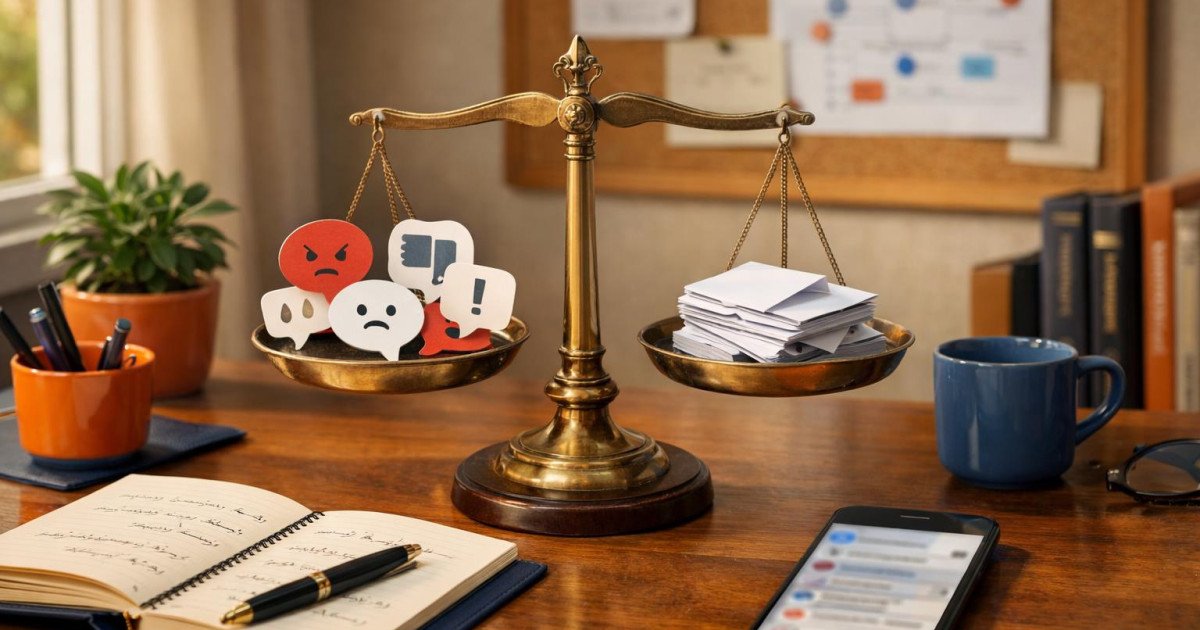
Negative comments social media pose a common challenge for small business owners, especially in Egypt's competitive market. Handling these comments effectively can transform criticism into an opportunity to improve your business reputation and strengthen customer relationships. This article provides practical steps to manage negative feedback and avoid common pitfalls.
Understanding Negative Comments Social Media
Before you respond to negative comments social media, it is important to understand their nature. Are they constructive criticisms, genuine complaints, or unjustified attacks? Differentiating these types helps you craft appropriate responses that address concerns without escalating conflicts. For example, a complaint about delayed service deserves a different approach than an unfair personal attack.
Step-by-Step Plan to Handle Negative Comments Social Media
- Respond Quickly: Aim to reply within 24 hours to show attentiveness.
- Reply Respectfully and Calmly: Avoid defensive or emotional reactions.
- Acknowledge the Issue: Show empathy and validate the customer's feelings.
- Offer a Solution: Provide realistic options or steps to resolve the problem.
- Move to Private Conversation: For detailed issues, suggest continuing via direct messages.
- Follow Up: Check back to ensure the customer is satisfied with the resolution.
Implementation Workflow with Responsibilities and Prioritization
To handle negative comments social media effectively, assign a dedicated responder who monitors your pages regularly. Prioritize comments by urgency—safety or product defect complaints require immediate attention, while minor issues can be addressed later the same day. Draft respectful replies and invite complex discussions to private channels to prevent public escalation. Document each interaction and assign follow-up duties to confirm customer satisfaction. Finally, review these cases periodically to identify improvement areas.
Measuring Effectiveness of Your Negative Comments Social Media Response
Track key metrics such as response rate, resolution rate, and changes in social media sentiment. For example, monitor the percentage of negative comments replied to within 24 hours and how many customers express satisfaction after follow-up. Use tools to analyze comment tone and overall page ratings over time. These insights help refine your approach and demonstrate the impact of your efforts.
Common Mistakes to Avoid When Handling Negative Comments Social Media
- Ignoring or deleting negative comments without response, which can escalate issues.
- Responding defensively or aggressively, damaging your brand image.
- Failing to follow up after the initial reply, missing chances to rebuild trust.
Hypothetical Egyptian Business Scenario: "Nile Tech Repairs"
Imagine "Nile Tech Repairs," an electronics repair shop in Alexandria. A customer complains publicly about a delayed repair and poor communication. The social media manager responds promptly: "We apologize for the delay and understand your frustration. Please send us a direct message with your repair details so we can assist you." After private communication, they offer a discount and expedite the repair. Following up confirms customer satisfaction. This approach turns a negative comment social media into a positive customer service example.
Troubleshooting Tradeoffs in Handling Negative Comments Social Media
Balancing speed and thoroughness is critical. Quick replies show attentiveness but may lack detail, while delayed responses risk customer frustration. Use timely acknowledgments followed by private, detailed conversations. Decide carefully when to respond publicly or privately to protect your reputation. Automate initial responses cautiously to maintain a personal touch. Also, set clear policies to avoid encouraging unnecessary negative comments.
| Method | Expected Outcome |
|---|---|
| Quick and polite response | Increased customer trust and improved reputation |
| Ignoring the comment | Problem escalation and customer loss |
| Defensive or aggressive reply | Brand image damage and negative spread |
Should I Respond to Every Negative Comment Social Media?
It is advisable to respond to most comments that provide constructive criticism or questions. For abusive or illogical comments, use discretion and consider ignoring or blocking if necessary.
How to Handle Repeated Negative Comments Social Media?
Identify root causes and improve your products or services accordingly. Communicate transparently with customers about the steps you are taking to address recurring issues.
Can Negative Comments Social Media Become Marketing Opportunities?
Yes. Professional, transparent handling of criticism can strengthen customer relationships and enhance your brand's image, turning challenges into growth opportunities.
For more guidance on managing your social media presence, see our Checklist for Creating an Effective Content Plan for Your Small Business Social Pages.
Official advice is also available at Facebook Business Marketing.
Detailed Implementation of Negative Comments Social Media Handling
Start by setting up real-time notifications for your social media accounts. This ensures you catch negative comments as soon as they appear. Assign a team member or yourself to monitor these alerts daily. Prompt detection allows you to respond quickly, which is crucial for managing negative comments social media effectively.
Next, develop a response template that maintains a calm and respectful tone. Customize it to fit different types of negative comments, such as complaints, misunderstandings, or unfair criticism. This preparation saves time and ensures consistency in your communication, reinforcing your brand’s professionalism.
Finally, establish a clear escalation process. If a comment requires detailed investigation or management approval, have a protocol to transfer the case internally. This prevents delays and ensures the customer receives accurate information. Document each step to track progress and maintain accountability.
Hypothetical Example: Handling Negative Comments Social Media for "Cairo Café"
Imagine "Cairo Café," a small coffee shop in downtown Cairo. A customer posts a negative comment about a cold beverage and slow service. The social media manager quickly replies, "We’re sorry your experience wasn’t perfect. Please send us a direct message with your visit details so we can make it right." This shows attentiveness and invites private discussion.
In the private message, the manager offers a free replacement drink and invites the customer back for a discount. The customer appreciates the gesture and updates the public comment, thanking the café for the prompt response. This turns a negative comment social media into a positive interaction that enhances the café’s reputation.
Afterward, the café reviews its service process and trains staff to prevent future delays. This proactive step addresses the root cause, reducing the chance of repeated complaints. The example illustrates how quick, respectful handling and follow-up can convert criticism into opportunity.
Verification of Effective Negative Comments Social Media Management
To verify your handling effectiveness, track response times and customer feedback after resolution. Use a simple spreadsheet or social media management tool to record each negative comment, response date, and outcome. This data helps identify trends and areas needing improvement.
Solicit direct feedback from customers who had negative experiences. After resolving their issues, ask if they felt satisfied with the response. Positive feedback indicates your approach works, while negative feedback signals a need to adjust your methods.
Regularly review your social media sentiment by observing comment tone and engagement levels. An increase in positive interactions after addressing negative comments suggests your strategy is improving your brand image. Continuous monitoring ensures you maintain high standards in managing negative comments social media.
Troubleshooting Common Issues in Handling Negative Comments Social Media
If you notice delayed responses, consider reallocating resources or using notification tools to alert you faster. Slow replies often frustrate customers and worsen the situation. Prioritize urgent comments to avoid escalation and maintain trust.
When responses seem to escalate conflicts, review your tone and wording. Avoid defensive language and focus on empathy and solutions. If necessary, pause public replies and move the conversation to private messages to reduce tension and clarify misunderstandings.
In cases of repeated negative comments on the same issue, investigate underlying problems in your product or service. Communicate openly with your audience about the steps you are taking to fix these issues. Transparency builds credibility and shows commitment to improvement, helping to reduce future negative comments social media.
Conclusion
Handling negative comments social media thoughtfully boosts your small business's reputation and customer loyalty. By responding promptly, respectfully, and transparently, you can turn criticism into valuable feedback and growth. Implementing a clear workflow, measuring effectiveness, and avoiding common mistakes will help you navigate social media challenges confidently and successfully.